8 Roof Problems to Fix Before Connecticut’s Fall Storm Season
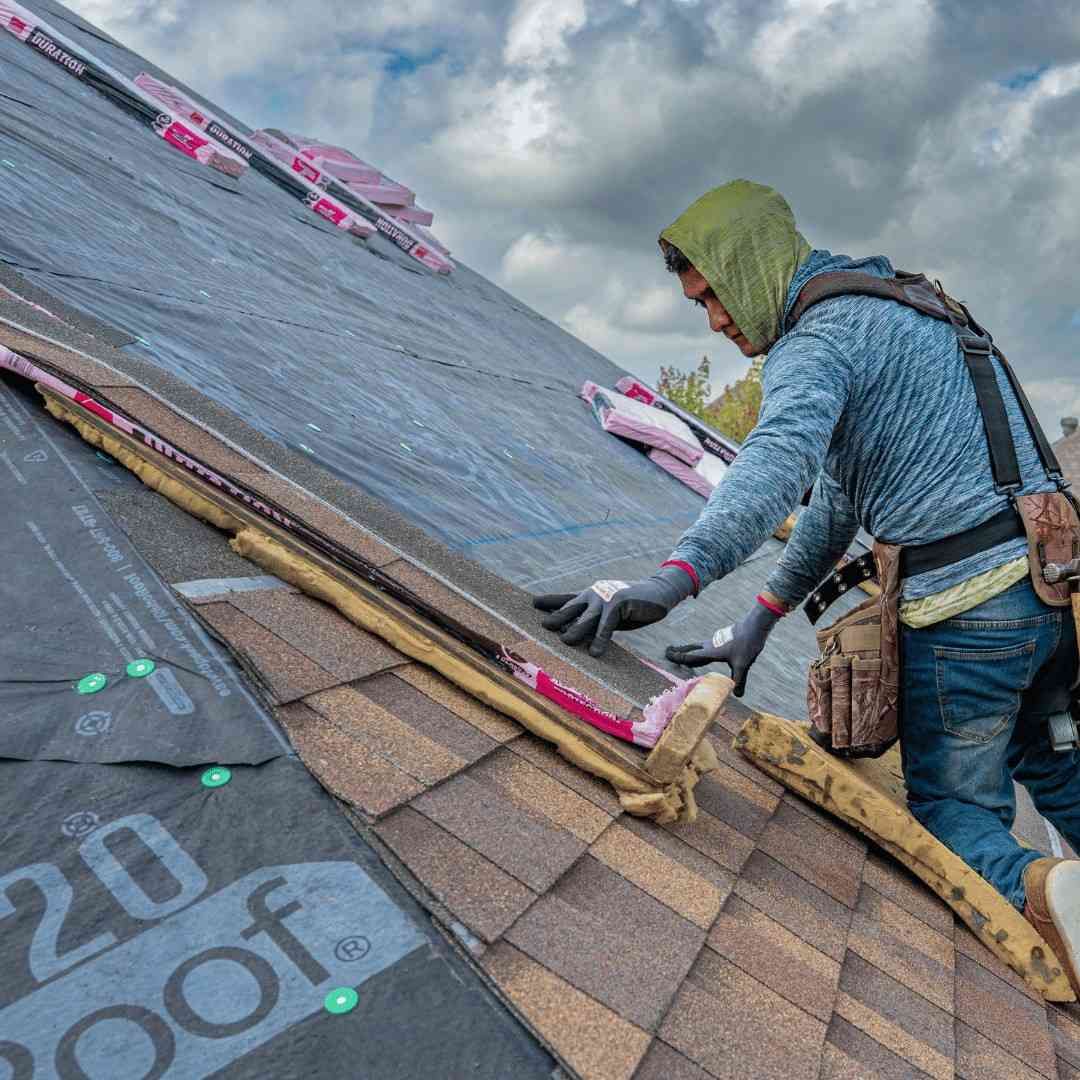
One lifted shingle, a cracked vent boot, loose flashing, or a small leak around a chimney can stay quiet through dry weather and then become obvious once wind-driven rain arrives.
At Roof Repair Pro, roof repair is our entire focus. We inspect the specific failure, repair what actually needs attention, and leave the rest of the roof alone.
We are based in Madison and serve the full Connecticut Shoreline, with much of our work concentrated in Madison, Branford, Guilford, Clinton, and North Branford. September is a practical time to catch smaller problems before stronger fall weather exposes them.
Why September Is the Right Time for a Roof Inspection
Connecticut is already within its most important late-summer and early-fall storm window.
The Connecticut Insurance Department notes that peak tropical activity affecting Connecticut and the rest of New England traditionally runs from mid-August through mid-October. Connecticut Insurance Department
At the same time, the National Weather Service notes that nor’easters are most frequent and most violent between September and April. National Weather Service
A preventive roof inspection can identify:
- Loose or missing shingles
- Failed flashing
- Cracked vent boots
- Open sealant joints
- Damaged pipe collars
- Localized membrane problems
- Soft decking around an old leak
- Storm damage that was never repaired
8 Roof Problems to Fix Before Fall Storms
1. Missing or Lifted Shingles
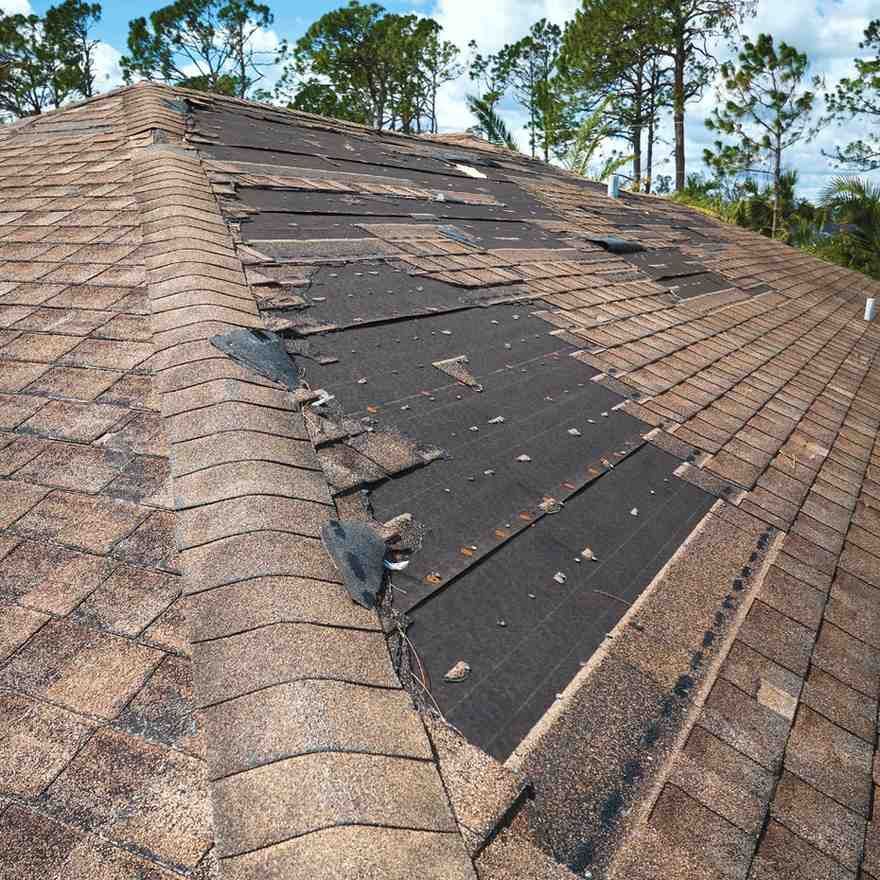
Missing shingles leave the underlayment and roof deck more exposed to rain.
Lifted shingles can be just as important because wind can get underneath the edge and continue opening the roof during the next storm.
If the surrounding shingles are still serviceable, a localized shingle repair may be enough.
2. Cracked or Failed Roof Flashing
Flashing protects the transitions where shingles alone cannot keep water out.
Common trouble spots include:
- Chimneys
- Sidewalls
- Dormers
- Skylights
- Roof valleys
- Vent penetrations
Our roof flashing repair service focuses on these transition points because flashing failure is one of the most common leak sources we see along the CT Shoreline.
3. Small Roof Leaks That Only Appear During Heavy Rain
A ceiling stain that only shows up during one kind of storm is still a roof leak.
Wind direction, rainfall intensity, and the amount of water moving across the roof can change whether a small opening leaks visibly.
Our roof leak repair service traces the water path back to the failed roof component instead of simply sealing the place where the stain appeared indoors.
4. Cracked Vent Boots and Pipe Collars
Rubber vent boots and pipe collars can crack as they age.
The surrounding shingles may still look completely normal while water slips through the failed seal around the pipe.
These are usually small repairs when caught early.
5. Chimney Flashing Gaps
A chimney creates several roof-to-masonry transitions.
Step flashing, counterflashing, apron flashing, back-pan details, surrounding shingles, and sealant joints all have to work together.
Our chimney flashing repair service checks the complete roof-side transition before recommending work.
6. Skylight Flashing or Shingle Problems
A leaking skylight does not automatically need replacement.
Water may be entering through the surrounding shingles, step flashing, head flashing, sealants, or localized decking.
We inspect the complete opening through our skylight leak repair service so the repair matches the actual failure.
7. Localized Flat Roof or Low-Slope Damage
Garages, additions, porches, and commercial properties often include EPDM, TPO, modified bitumen, or other low-slope roofing.
Small punctures, failed seams, loose perimeter details, and flashing problems should be corrected before repeated fall rain reaches the insulation or decking below.
8. Unrepaired Storm Damage
Not all storm damage roof repair needs are obvious from the ground.
Wind can crease shingles without removing them completely. Branch impact can damage a small section. Flashing can shift even when the roof still appears intact.
If your property took a hit during a summer storm, September is a good time to have that area checked before the next system arrives.
What These Roof Problems Usually Tell Us
The location of the problem often points toward the repair.
| What You Notice | What We Check First |
|---|---|
| Shingle on the lawn | Lifted, creased, or missing shingles |
| Stain near a chimney | Chimney flashing and surrounding roofing |
| Leak around a skylight | Flashing, shingles, sealants, condensation |
| Water near a plumbing vent | Vent boot or pipe collar |
| Leak during wind-driven rain | Flashing and roof transitions |
| Drip below a flat roof | Membrane seam, puncture, perimeter flashing |
| New leak after a storm | Wind, branch, shingle, or flashing damage |
| Recurring stain after past repair | Original water path may still be active |
At Roof Repair Pro, this is why diagnosis comes before repair.
Use This 10-Minute Roof Check From the Ground
A ground-level inspection can still reveal useful warning signs.
Walk Around the House
Look for:
- Missing shingles
- Shingle pieces on the ground
- Loose-looking metal flashing
- Sagging gutter or roof-edge sections
- Branch impact
- Debris piled in roof valleys
- Damage around chimneys or vents
Check the Attic or Top Floor
After rain, look for:
- New stains
- Damp wood
- Wet insulation
- Dripping
- Musty odor
- Daylight around penetrations
Take photos and note whether the problem appears during ordinary rain or only during wind-driven storms.
Do not climb onto a wet, steep, or damaged roof yourself.
Roof Repair Pro offers free roof inspections and second opinions throughout the CT Shoreline.
When a Repair Makes More Sense Than Replacement
Localized repair often makes sense when:
- Damage is limited to one area
- Most shingles remain serviceable
- Decking damage is localized
- One flashing assembly has failed
- One vent boot or pipe collar is leaking
- A storm damaged only part of the roof
- A small flat-roof area has a repairable membrane failure
Roof Repair Pro does not install replacement roofs.
If a replacement is genuinely needed, we will say so. But if a targeted repair can solve the problem, that is the work we recommend.
This is also why our inspection and second-opinion service is useful when another contractor has recommended full replacement and you want an independent repair-focused assessment.
Fix Small Weak Points Before Storm Damage Gets Larger
Wind can lift shingles.
Heavy rain tests every flashing joint.
Falling limbs can puncture roofing.
Repeated wetting can turn a small opening into damaged decking or insulation.
Before storm season, pay particular attention to roof sections that have already shown a history of trouble.
That includes:
- Past leak locations
- Chimneys
- Skylights
- Dormers
- Low-slope additions
- Tree-covered roof sections
- Older patched areas
If a storm has already damaged the roof, our storm damage and emergency roof repair service covers missing shingles, flashing failures, impact damage, emergency tarping, and other weather-related problems.
Roof Repair Across the Connecticut Shoreline
Roof Repair Pro is based in Madison and serves homeowners and commercial properties throughout the Connecticut Shoreline.
Nearby priority communities include:
- Madison
- Branford
- Guilford
- Clinton
- North Branford
Our broader service area also includes:
- Old Saybrook
- Westbrook
- Killingworth
- Old Lyme
- East Lyme
- Essex
- East Haven
- Durham
Near-water homes in Madison and Branford see more salt-air exposure around flashing and fasteners, while Guilford, Clinton, Old Saybrook, Old Lyme, and East Lyme bring their own mix of older roofing, chimneys, skylights, additions, and coastal wind exposure.
You can see the full coverage on our CT Shoreline service area page.
What Does Roof Repair Cost on the CT Shoreline?
Roof Repair Pro’s current pricing guidance places most residential roof repairs between $250 and $1,500.
Flashing repairs commonly run between $350 and $1,200, depending on the component, access, and surrounding roofing.
These are current Roof Repair Pro typical ranges, not estimates from a third-party pricing site.
| Repair Type or Factor | Current Planning Context |
|---|---|
| Most residential roof repairs | $250-$1,500 |
| Typical flashing repair | $350-$1,200 |
| Free roof inspection | $0 |
| Steep or difficult access | Can increase scope |
| Damaged decking | Adds repair work |
| Multiple failed components | Can increase total cost |
You receive a written quote before work begins.
Roof pitch, material, access, the number of failed components, and whether water reached underlayment or decking all affect the final scope.
Fix the Weak Point Before the Next Storm Finds It
Most roof failures start smaller than homeowners expect.
A loose shingle, cracked vent boot, open flashing joint, or small puncture can often be handled with focused roof repair before repeated storms spread the damage.
At Roof Repair Pro, we do not sell replacement roofs.
We inspect the problem, explain what failed, provide a written repair quote, and fix the section that actually needs attention.
For Connecticut Shoreline homeowners, September is a practical time to schedule that inspection before the region moves deeper into tropical storm and nor’easter season.
Roof Repair Pro is based in Madison and serves the full Shoreline corridor with repair-only roofing, free inspections, and straightforward recommendations.
Related Services & Pages
Roof Inspection & Second Opinion
Roof Leak Repair
Roof Flashing Repair
Chimney Flashing Repair
Skylight Leak Repair
Storm Damage Roof Repair
CT Shoreline Service Area