Storm Damage Repair vs Full Roof Replacement After a Nor'easter: How the Right Call Gets Made
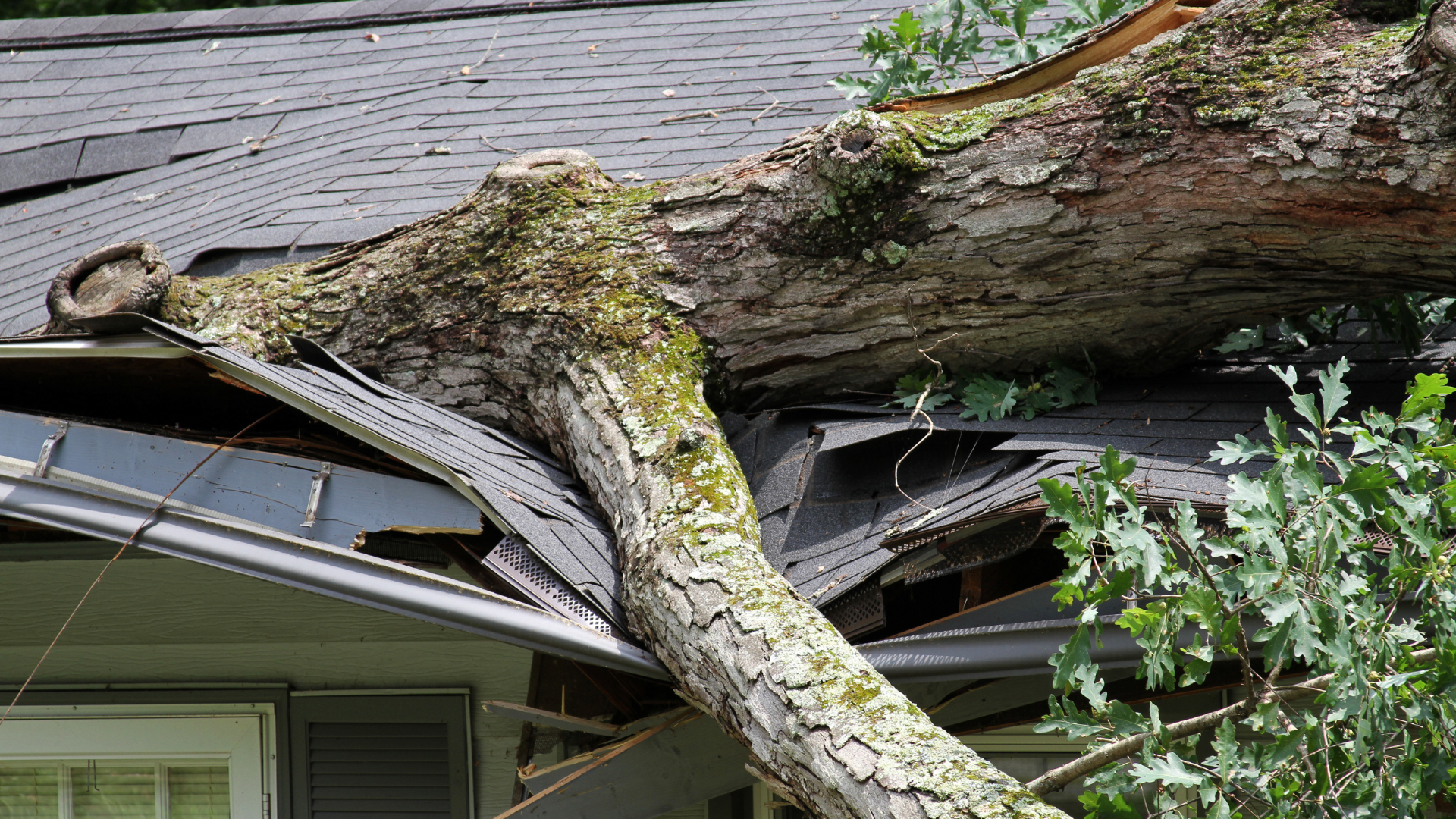
Every significant nor'easter that moves through the Connecticut Shoreline leaves the same question behind on properties in Madison, Guilford, Branford, Old Saybrook, and Clinton. The storm is over. There is a water stain on the ceiling, or shingles on the lawn, or something that does not look right at the roofline from the ground. The homeowner needs to know what happened up there and what it is going to cost to fix it.
The answer almost always comes down to one question that has to be answered before any other decision can be made: is this a repair situation or a replacement situation?
Those two paths look very different. A targeted storm damage repair addresses the specific components that failed and restores the protection the roof was providing before the storm. A full replacement removes and reinstalls the entire roofing system. The cost difference between them is significant, the disruption difference is significant, and on a CT Shoreline property where a nor'easter may have damaged only a specific section or a specific component, many homeowners pay for a replacement when a well-executed repair would have been the correct and far less expensive answer.
Roof Repair Pro is a repair-only roofing specialist serving the Connecticut Shoreline from North Branford. The team gets on the roof after every significant weather event to assess what actually happened and what it actually requires. This is how that assessment works.
Why Nor'easters Damage CT Shoreline Roofs Differently Than Other Storms
Understanding the right response to nor'easter damage starts with understanding what a nor'easter actually does to a Connecticut Shoreline roof that a summer thunderstorm or a fast-moving cold front does not.
A nor'easter is a sustained storm system, not a brief intense event. It can deliver high winds for twelve to thirty-six hours rather than the thirty to sixty minutes of a typical severe thunderstorm. The Connecticut DEEP Coastal Hazards primer describes the nor'easter as producing sustained high winds, storm surges, and heavy precipitation that affect coastal Connecticut with a different damage profile than any other storm type the region experiences.
That sustained wind duration matters for roofing because different components fail under sustained loading in ways they would not under a brief high-wind peak. A flashing seal that holds through a thirty-minute thunderstorm may fail when that same wind direction and moisture load continues for eighteen hours. A shingle section that was already approaching the end of its service life can be lifted and displaced progressively rather than in a single event, which means the damage pattern looks different than what a homeowner expects after a typical storm.
The NOAA National Weather Service New Haven office documents sustained nor'easter wind events as a consistent feature of the Connecticut Shoreline weather pattern, with the highest frequency occurring between October and April. For homeowners in Madison, Guilford, Old Saybrook, Branford, and Clinton, this means the same roof faces this specific loading pattern multiple times through every winter season.
The practical consequence is that nor'easter damage on a CT Shoreline roof tends to appear in specific patterns that a trained inspector recognizes as either isolated component failures or as evidence of systemic wear that the storm revealed.
The Four Damage Patterns That Determine Repair vs Replacement
When Roof Repair Pro inspects a CT Shoreline home after a nor'easter in Madison, Guilford, Branford, Old Saybrook, or Clinton, the assessment identifies which of four damage patterns the storm produced. Each pattern points toward a different response.
Pattern 1: Isolated shingle loss or damage in a defined area.
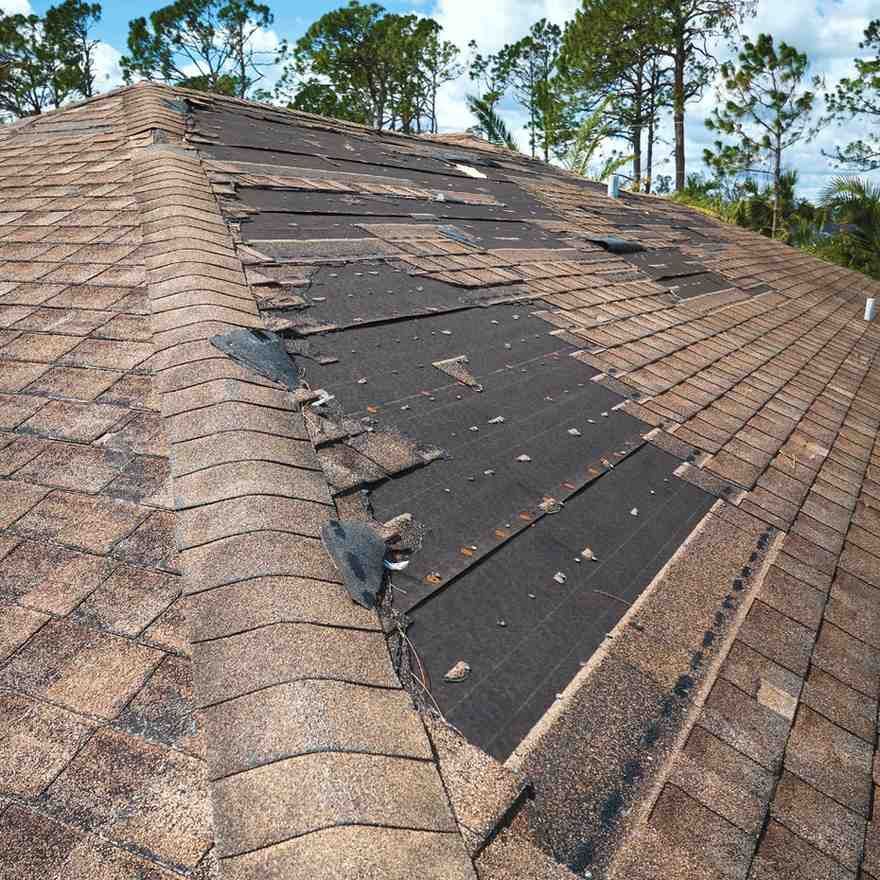
Wind lifts shingles at their most vulnerable point, which is typically at rake edges, ridge lines, and in sections where the sealant strip has dried out with age. When a nor'easter produces shingle loss in a defined section of the roof while the surrounding field shows good adhesion and sound granule coverage, the repair is targeted. The affected section is replaced, the surrounding material is evaluated for seal integrity, and the repair restores the protection of that section without disturbing the rest of the roof.
Pattern 2: Flashing failure at a penetration point.
Chimney flashing, step flashing at dormers, vent boot seals, and skylight perimeter seals are the most common non-shingle source of roof leaks after a nor'easter. These components take the same sustained wind and moisture load as the shingles but are more susceptible to seal failure when exposed to the sustained horizontal rain that a nor'easter delivers. A leak that traces to a specific penetration point rather than to a shingle field failure is a flashing repair situation in most cases, regardless of the overall age of the roof.
Pattern 3: Widespread shingle damage across multiple sections combined with granule loss indicating advanced age.
This is the pattern where the replacement conversation becomes legitimate. A nor'easter that lifts and damages shingles across multiple sections of a roof, combined with shingles that show significant granule loss, curling at the edges, or cracking across the field, is telling the inspector that the storm exposed the end of the roof's service life rather than causing isolated damage. In this situation, repairing the storm-damaged sections leaves the rest of the roof in a condition that will produce the same result in the next significant weather event.
Pattern 4: Decking damage beneath the shingles.
If the storm has allowed water infiltration that reached the roof decking before the homeowner called for an inspection, or if the inspection reveals soft spots, rot, or delamination in the decking beneath the shingle layer, the scope of the repair expands. Decking damage that extends across a significant portion of the roof changes the economic calculation between repair and replacement. Replacing shingles over compromised decking produces a roof that will show the same moisture symptoms within a short time.
The Age and Condition Factors That Determine Which Situation You Are In
Damage pattern alone does not determine whether repair or replacement is the right answer on a CT Shoreline home. The age and pre-storm condition of the roof matter equally.
A roof under 15 years old with isolated nor'easter damage is almost always a repair candidate.
The roofing system has significant remaining service life. The shingles outside the damaged area have intact sealant strips, sound granule coverage, and adequate adhesion. Replacing the entire roof because a nor'easter damaged a section of it would eliminate most of the remaining service life that the homeowner already paid for. A proper repair restores the specific compromise and leaves the remaining roof to complete its service life.
A roof between 15 and 20 years old requires an honest assessment of the field condition beyond the storm damage.
Connecticut Shoreline asphalt shingle roofs in this age range may have five to eight years of remaining service life if the pre-storm condition was sound, or may be approaching end of life if the shingle layer shows significant granule loss and brittleness throughout the field. The storm damage is evaluated in the context of what the inspection reveals about the rest of the roof. If the undamaged sections are in good condition, repair is the right answer. If the field condition is degraded across the roof, the storm may be the appropriate trigger point for replacement planning.
A roof over 20 to 25 years old with significant nor'easter damage warrants a replacement evaluation.
Standard asphalt shingles on a CT Shoreline property have an expected service life of 20 to 25 years. A roof that has reached or exceeded that range and has sustained significant storm damage is in a different position than a roof with five to ten years of remaining life. Repair may still be appropriate for isolated damage, but the homeowner should understand the context: the roof is approaching or past its designed service life and will require replacement planning regardless of the storm outcome.
| Roof age and storm damage pattern | Roof Repair Pro recommendation |
|---|---|
| Under 15 years, isolated shingle loss or flashing failure | Targeted repair. Significant remaining service life should be preserved. |
| Under 15 years, widespread damage across multiple sections | Repair evaluation. Assess whether field condition outside the damaged area is sound. |
| 15 to 20 years, isolated damage with sound field condition | Targeted repair with a realistic assessment of remaining service life. |
| 15 to 20 years, widespread damage with granule loss across the field | Replacement evaluation. Storm may have exposed end of service life. |
| Over 20 years, any significant nor'easter damage | Replacement evaluation. Repair may be appropriate for isolated points, but full assessment is warranted. |
| Any age, decking damage confirmed beneath the shingle layer | Scope expansion. Decking condition determines repair vs replacement economic calculation. |
Why Repair-Only Inspectors Give Different Answers Than Replacement Contractors
This is a point that matters specifically on the CT Shoreline, where aggressive storm restoration companies follow major weather events.
A roofing contractor whose primary business is full roof replacement has a financial incentive to reach the replacement conclusion. A repair-only specialist like Roof Repair Pro does not install new roofs. The inspection produces a repair recommendation or a recommendation that a full replacement is warranted, with no financial outcome attached to which conclusion the inspection reaches. The homeowner gets an honest assessment of what the roof actually needs.
The Connecticut Department of Consumer Protection advises homeowners to be cautious of unsolicited door-to-door contractor visits following storm events, to verify contractor licensing before any work begins, and to obtain multiple written estimates before committing to significant roofing work. Connecticut requires home improvement contractors to be licensed, and that license is verifiable through the DCP.
Roof Repair Pro is licensed in Connecticut under HIC #0690521 and carries full liability insurance on every job. Written quotes are provided before any work begins. The inspection that produces the quote is free.
What the Storm Damage Inspection Process Looks Like
When Roof Repair Pro arrives at a Madison, Guilford, Branford, Old Saybrook, or Clinton property after a nor'easter, the inspection follows a specific process that covers what a homeowner cannot see from the ground and what a drive-by assessment cannot determine.
Visual inspection from the ground first.
The inspection begins with a perimeter walk before anyone gets on the roof. This establishes what is visible from the ground, where shingles are missing or displaced, whether ridge cap sections have lifted, and whether any sections of the roof appear to have shifted or separated from the fascia.
On-roof assessment of shingle field, flashing, and penetrations.
The crew gets on the roof and covers the full surface. The shingle field is checked for lifting, displaced tabs, sealant strip failures, granule loss patterns, and any cracking or brittleness that indicates age-related degradation beyond the storm impact. Every penetration point is checked: chimney flashing, step flashing at all dormers and skylights, vent boots, pipe collars, and valley transitions. These are the locations where a nor'easter's sustained horizontal moisture load finds its way in even when the shingle field is intact.
Decking probe where accessible.
Where soft spots or water infiltration indicate potential decking compromise, Roof Repair Pro probes the decking through the underside where attic access allows and documents any delamination or rot.
Photo documentation throughout.
The condition of every area inspected is documented with photos. That documentation is what supports an insurance claim, explains the repair scope to the homeowner, and establishes a clear record of the pre-repair condition.
Written quote before any commitment.
The inspection produces a written quote that specifies exactly what work is being done, what materials are being used, and what the total cost is. That number does not change once work begins.
For more on the full inspection process, the Roof Repair Pro inspection and second opinion service page describes what the team checks and how the findings are communicated.
Navigating the Insurance Claim After Nor'easter Damage
Most CT Shoreline homeowners dealing with nor'easter roof damage are also dealing with an insurance claim, and the sequence of steps taken in the first days after the storm affects how that claim resolves.
The critical first step is documentation before cleanup or temporary repair begins. Photographs and video of all visible damage, from the ground and from the roof if safely accessible, are the evidence the adjuster will use to evaluate the claim. Once storm debris is cleared and tarping or temporary repairs are in place, the pre-repair documentation is the only record of what the storm actually produced.
Standard Connecticut homeowners policies cover sudden storm damage from wind, hail, and rain infiltration caused by storm events. The coverage applies to repair or replacement costs to restore the roof to its pre-storm condition. Deterioration, aging, and pre-existing conditions are typically excluded, which is why the age and condition assessment conducted during the inspection matters to the insurance outcome as well as the repair vs replacement decision.
Roof Repair Pro documents conditions at the time of inspection and provides that documentation for insurance purposes upon request. The team does not navigate the claim process on the homeowner's behalf but provides accurate, photographed documentation of what was found and what was repaired to support the homeowner's claim.
The Connecticut Insurance Department's consumer guidance on storm damage claims outlines what standard homeowners policies typically cover, the documentation homeowners should maintain, and the process for disputing a claim outcome if the settlement does not reflect the actual storm damage.
For related context on what a storm damage inspection covers and the step-by-step process from storm to completed repair, the Roof Repair Pro storm damage service page walks through the team's full response process on CT Shoreline properties.
If your roof in Madison, Guilford, Branford, Old Saybrook, or Clinton sustained damage in a recent nor'easter or storm event, Roof Repair Pro provides free on-roof inspections with photo documentation and a written quote before any work begins. The inspection determines what actually happened and what it actually requires, so you make the right call for your home and your budget.
Storm Damage Roof Repair | Roof Inspection and Second Opinion | Shingle Repair | Flashing Repair | Roof Leak Repair | Contact Roof Repair Pro
(475) 800-8876 | roofproofct.com | CT Shoreline | Licensed HIC #0690521