4 Reasons Storm Roof Damage on Connecticut Homes Gets Worse Every Day It Goes Unaddressed
A storm crosses the Connecticut Shoreline, and the next morning a homeowner in Madison, Guilford, Branford, or Old Saybrook notices a few missing shingles or a water stain on the ceiling. The damage does not look catastrophic. The house is not flooding. The instinct is to add it to the list and deal with it when there is time.
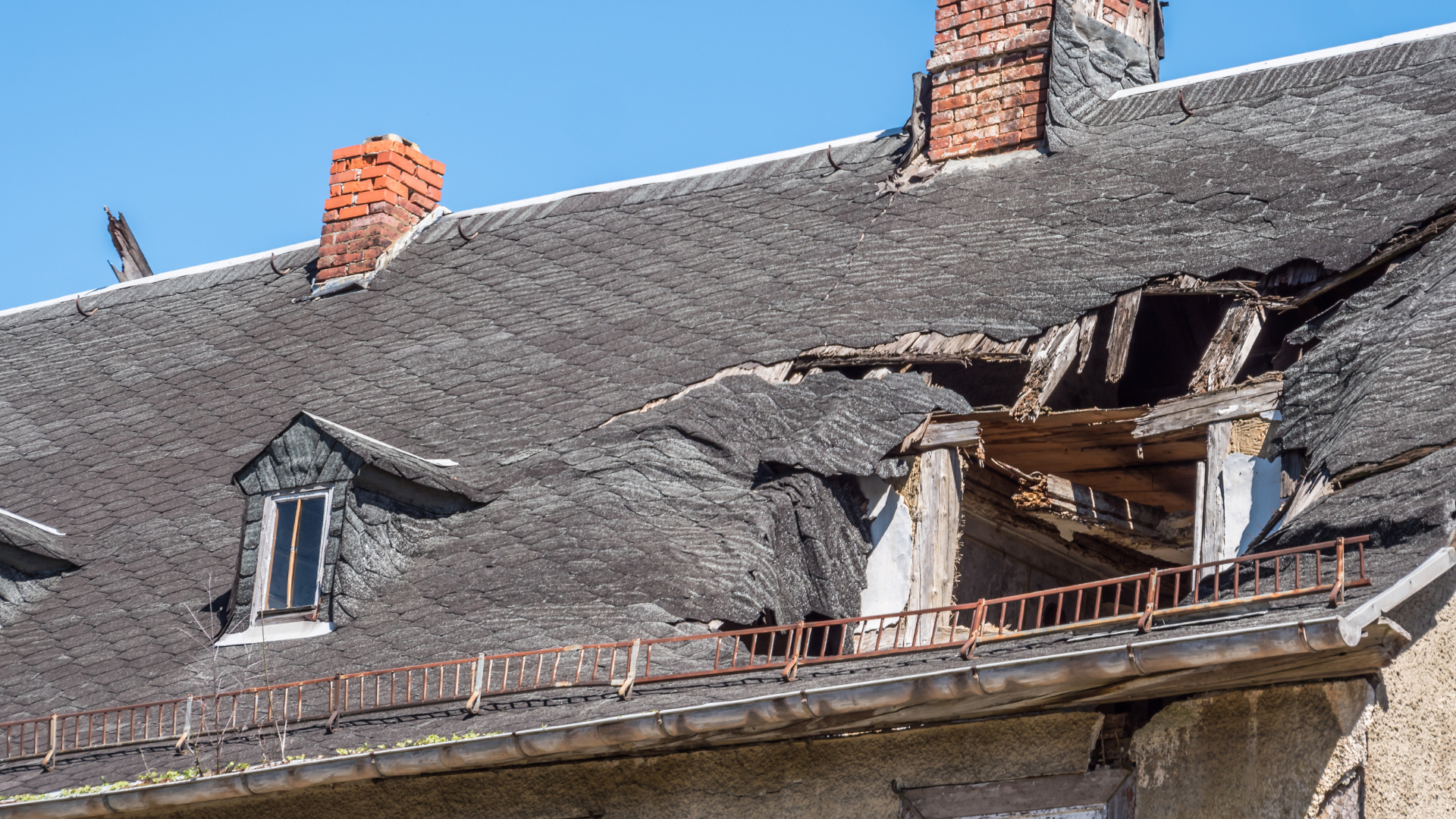
That instinct is where the real cost starts. Storm roof damage does not hold steady while you wait. It compounds. A breach in the roof surface is an open pathway for every rain event that follows, and Connecticut does not give that breach time to sit quietly. With 47 inches of annual rain, no dry season, and another storm system never far behind the last one, a small breach that could have been repaired for hundreds of dollars becomes a decking replacement, insulation replacement, mold remediation, and interior restoration project measured in thousands.
This guide covers the four specific ways storm roof damage escalates on a CT Shoreline home, why the timeline is shorter than most homeowners expect, and what to do in the first days after the storm to keep the cost contained.
1. Every Rain Event After the Storm Sends More Water In
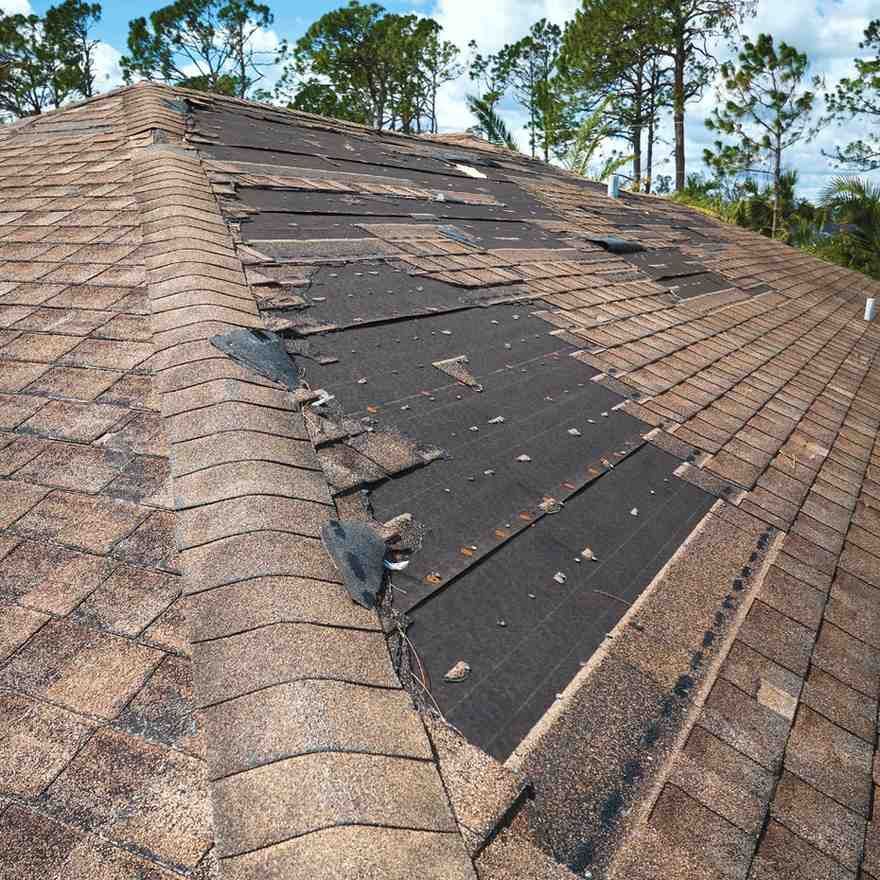
The moment shingles are missing, flashing is compromised, or a seal has failed, the roof has an open pathway. Every subsequent rain that hits that pathway sends water into the roof assembly, and on the CT Shoreline, the next rain is never far away.
A roof breach from a storm is not a one-time water event. It is a repeating one. The NOAA Connecticut State Climate Summary documents 47.3 inches of annual precipitation with no dry season, and extreme precipitation events, days with two or more inches of rain, occurring multiple times per year. Each of those events pushes water through the breach, and the volume that enters accumulates in the materials below.
What each subsequent rain does:
- Water follows the same path through the breach every time
- The decking, insulation, and framing absorb more with each event
- Saturated materials cannot dry between closely spaced storms
- The damage footprint expands outward from the original breach
A breach repaired after one rain event has limited penetration. The same breach left through three or four rain events has a damage footprint that extends well beyond the original failure point, because water travels along the decking and framing before it drips through the ceiling.
2. The Decking Rots Behind Shingles That Look Fine
The most expensive escalation is the one homeowners cannot see: the roof decking deteriorating behind shingles that appear intact from the outside.
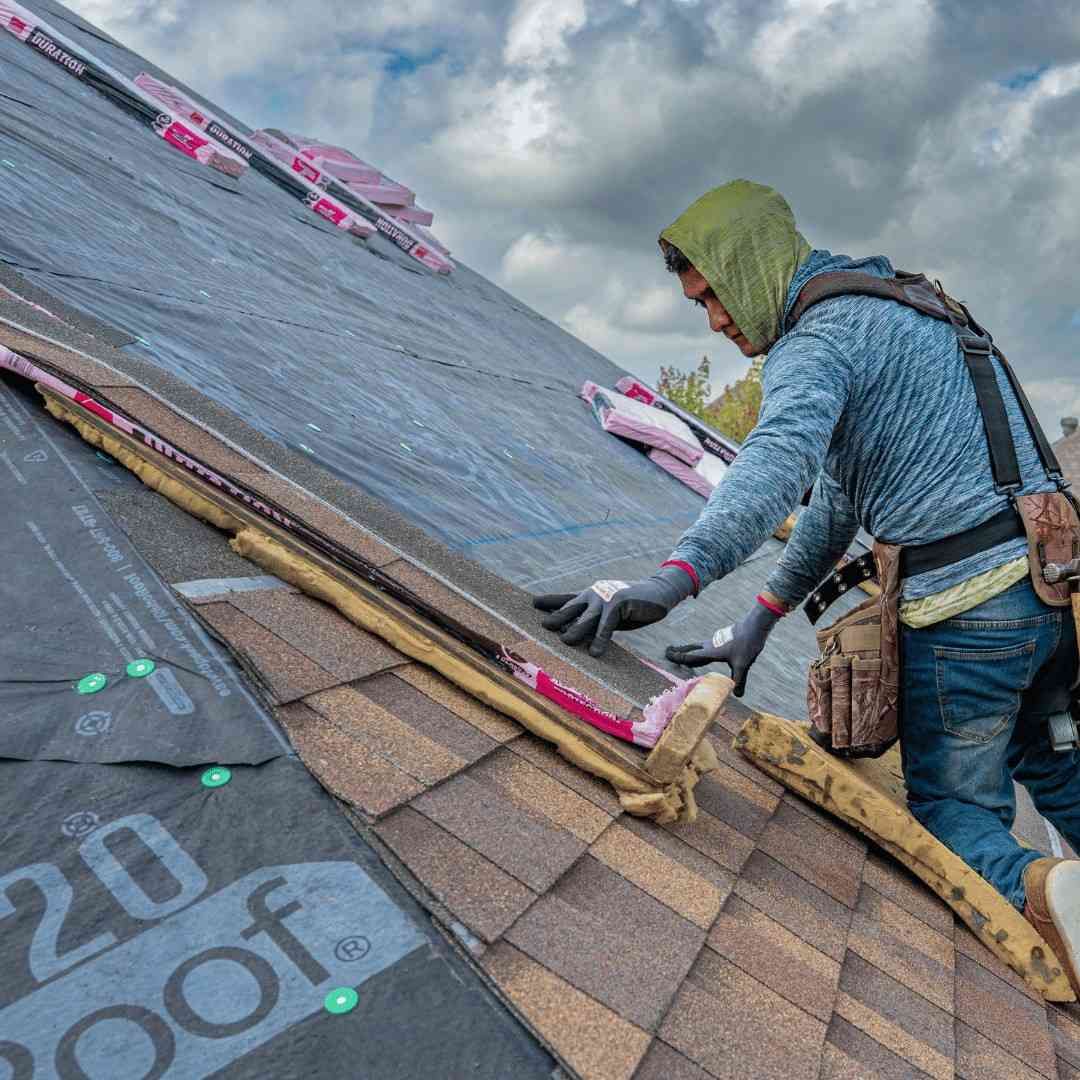
When water enters through a breach, it reaches the plywood or OSB decking that forms the structural surface of the roof. That decking absorbs water, and once wet, it begins to delaminate, soften, and lose the structural integrity the roofing system depends on. The shingles on either side of the breach may look perfectly normal from the ground, but the wood beneath them is failing.
Why decking damage changes the repair calculus:
- A shingle repair on sound decking is a contained, affordable fix
- A shingle repair on rotted decking requires removing the shingles, cutting out the damaged decking, installing new decking, and then reinstalling roofing
- The cost difference between the two is significant
- Every rain event that passes before the repair extends the decking damage further
The timeline for this escalation depends on how frequently rain reaches the decking, but on the Connecticut Shoreline, where rain events are closely spaced year-round, decking that was sound at the time of the storm can be compromised within weeks of sustained exposure.
3. Mold Begins Within 48 Hours of the First Water Event
Once water from a roof breach reaches insulation, framing, or drywall, the mold timeline starts, and that timeline is short.
The U.S. Environmental Protection Agency states that mold can begin growing on wet materials within 24 to 48 hours when temperature and humidity conditions are met. A Connecticut Shoreline attic in the summer, warm and humid, is exactly the environment where those conditions are consistently present. Water that enters through a storm breach and wets the insulation or framing is in the mold growth window almost immediately.
How mold compounds the damage:
- Mold growth begins in 24 to 48 hours on wet materials
- Attic insulation holds moisture and provides the organic food source mold needs
- Growth spreads from the initial wet point into surrounding materials
- By the time mold is visible or smellable, the colony is established
- Mold remediation adds a separate, substantial cost to the repair
A roof breach repaired within the first week of the storm often avoids the mold problem entirely because the materials can be dried before growth takes hold. The same breach left for three to four weeks has almost certainly produced mold in the attic insulation and potentially in the framing, which turns a roofing repair into a roofing-plus-remediation project.
4. Insulation Soaks, Compresses, and Loses Its R-Value
Attic insulation that gets wet from a roof breach does not just dry out and recover. It compresses, loses its thermal performance, and often needs to be removed and replaced.
Fiberglass batt insulation, the most common type in CT Shoreline attic spaces, loses its insulating capacity when wet because the air pockets that provide the R-value collapse when saturated. Even after the insulation dries, it typically does not loft back to its original thickness, which means its thermal performance is permanently reduced. Wet insulation also becomes the ideal substrate for mold growth, compounding the problem described above.
What wet insulation costs:
- The R-value drops immediately when wet
- The loft does not fully recover even after drying
- Wet insulation becomes a mold growth medium
- Replacement adds labor, material, and disposal costs to the repair
On a CT Shoreline home where attic insulation is doing meaningful work through both the cooling season and the winter heating season, a section of compromised insulation affects energy performance and comfort until it is replaced. The longer the roof breach feeds water into the insulation, the larger the area that needs replacement.
How Fast This Escalation Actually Moves in Connecticut
The compounding timeline is tighter on the CT Shoreline than in drier climates because the rain never stops for long.
| Time after storm | What is typically happening |
|---|---|
| Day 1 to 3 | Breach open, damage limited to immediate area |
| Week 1 | First subsequent rain sends water deeper into the assembly |
| Week 2 | Decking saturation progressing, mold conditions met |
| Week 3 to 4 | Decking softening, mold established, insulation compromised |
| Month 2 and beyond | Damage footprint has expanded well beyond the original breach |
The further down that table the repair happens, the larger the scope and the higher the cost. Every row adds a layer of damage that was not present in the row above it.
What to Do in the First Days After Storm Roof Damage
The actions a homeowner takes in the first 48 to 72 hours after storm damage are what determine whether the repair stays small or compounds into something much larger.
| Step | Why it matters |
|---|---|
| Document with photos immediately | Evidence for insurance, before anything changes |
| Contain interior water | Buckets, towels, move belongings, limit interior spread |
| Call for emergency tarping | Stops the repeating water entry that drives every escalation |
| Call your insurance company | Open the claim before repairs begin |
| Get an independent inspection | Know the actual scope before committing |
Emergency tarping is the single most impactful early action because it closes the breach and stops the clock on every compounding mechanism described above. Rain cannot enter a tarped breach, which means the decking stops getting wetter, the mold clock does not start, and the insulation stays dry. Roof Repair Pro provides emergency tarping across the CT Shoreline to protect the home while the permanent repair is scheduled.
The independent inspection matters for the same reason it matters on every storm damage call: a repair-only inspector tells the homeowner what the roof actually needs, whether that is a targeted shingle and flashing repair or a broader scope that accounts for decking or insulation damage. The Connecticut Department of Consumer Protection advises homeowners to verify contractor licensing, get multiple estimates, and be cautious of unsolicited post-storm visits.
Why the Repair-Only Model Matters for This Decision
When storm roof damage is compounding, the last thing a homeowner needs is a contractor whose incentive is to let the scope grow until a full replacement makes sense. The repair-only model addresses this directly.
Roof Repair Pro does not install new roofs. The inspection produces a repair recommendation or a recommendation that a full replacement is warranted, with no financial outcome attached to which conclusion the assessment reaches. On a storm damage call where the difference between a week-one repair and a month-two repair is thousands of dollars, that independence matters.
The honest reality: most storm damage on CT Shoreline roofs with remaining service life is a repair situation when it is caught early. Shingle replacement, flashing repair, vent boot replacement, and emergency tarping are the services that stop the compounding. Waiting is what turns a repair into a replacement conversation.
Roof Repair Pro's storm damage service covers emergency tarping, inspection, and repair across Madison, Guilford, Branford, Old Saybrook, and Clinton. The inspection and second opinion service provides an independent assessment when a homeowner has already received a quote and wants to verify the scope. For the deeper decision framework, the articles on storm damage repair versus full replacement and nor'easter damage patterns that repeat every season cover the broader picture.
If your roof in Madison, Guilford, Branford, Old Saybrook, or Clinton sustained storm damage and you have not yet had it inspected, the compounding clock is running. Roof Repair Pro can tarp the breach, inspect the full roof, and complete the repair before the next rain turns a small problem into a large one.
Storm Damage Repair | Inspection and Second Opinion | Flashing Repair | Shingle Repair | Roof Leak Repair | Contact Roof Repair Pro
(475) 800-8876 | roofproofct.com | CT Shoreline | Licensed HIC #0706616